Adapt or Get Left Behind: What Modern PI Work Is Teaching Me About My Camera Bag
When your gear works great in daylight — and the field has moved to night.
I've been running the same two cameras for years. A Panasonic HC-VX3 and a Sony Handycam HDR-CX240. Both solid. Both reliable. Both do exactly what I need them to do — in daylight.
The problem is that subjects stopped cooperating with daylight schedules.
The world changed. Surveillance didn't keep up.
A decade ago, most workers' compensation and civil surveillance ran on a simple rhythm. Subject leaves the house in the morning, goes somewhere they're not supposed to go, you document it, you leave. Clean footage, manageable light, case closed.
That rhythm is gone.
Subjects are more aware. Ring cameras are on every block. People have learned — from social media, from news coverage, from word of mouth — what a PI looks like and what a PI's car looks like. They've adjusted their behavior accordingly. They leave earlier. They operate later. They move at night.
My cameras weren't built for that.
What I actually run — and why it works, until it doesn't.
The Panasonic VX series is a workhorse. Optical zoom, built-in stabilization, continuous recording — it handles mobile and stationary daytime surveillance cleanly. The Sony HDR-CX240 is my secondary body — compact, easy to position, solid in tight spaces.
In daylight, I have no complaints.
At night, both cameras run into the same wall: small sensors. Consumer camcorders are built for convenience and portability, not for pulling clean images in low ambient light. When the scene goes dark, you get grain, you get blur, you lose detail. A face at 50 feet under a streetlamp becomes an approximation — not evidence.
What full-frame mirrorless cameras actually solve.
I don't currently run a mirrorless system. What the research and conversations with other investigators confirm is that the gap comes down to one thing: sensor size.
Full-frame sensors — like those in the Sony Alpha 7 IV or the Nikon Z6 III — have significantly larger individual pixels than consumer camcorders. More light per pixel means cleaner images at night. Not marginally cleaner. In a dimly lit parking lot at midnight, the difference is the difference between identifiable and useless.
Add completely silent electronic shutter — no sound signature on a quiet street — AI-based face and eye tracking that locks and holds focus through windshields and around obstacles, and real-time exposure preview, and you have a system built for the conditions that are becoming more common in field work.
The limitations are real too. Battery life drops fast. Telephoto lenses add bulk that can burn your position. The price point is significant — a Sony Alpha 7 IV body alone runs around $2,200 before you buy glass. This is not a weekend decision.
Click any card to watch real-world night and low-light test footage. Videos are third-party reviews and manufacturer comparisons — not produced by ELK Investigations.

Low Light Night Test

- Low-light performance Fair
- Shutter noise Audible
- Subject tracking Basic
- Battery (continuous) Strong
- Concealment Compact
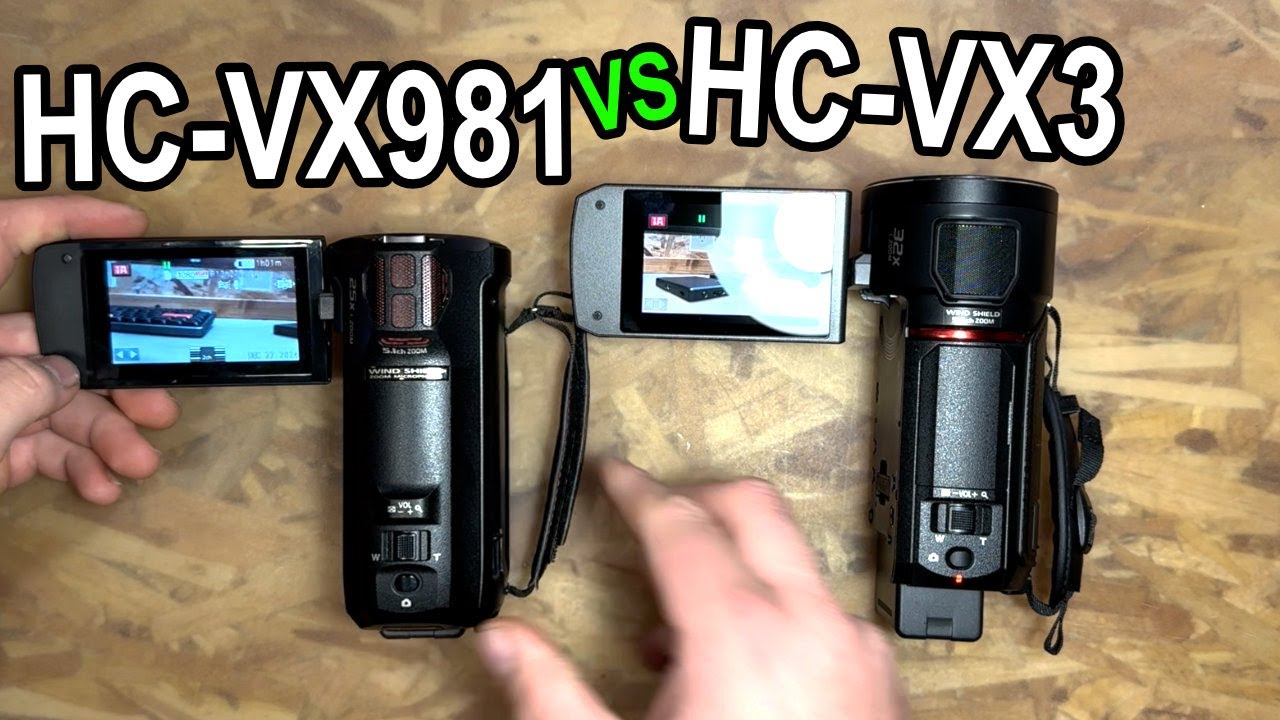
vs VX981 Comparison

- Min. illumination 1.5 lx (night mode)
- Shutter noise Audible
- Subject tracking Basic
- Battery (continuous) Strong
- Concealment Compact

Low Light Comparison

- Low-light performance Excellent
- Shutter noise Silent
- Subject tracking AI Eye/Face
- Battery (continuous) Needs spares
- Concealment Lens-dependent
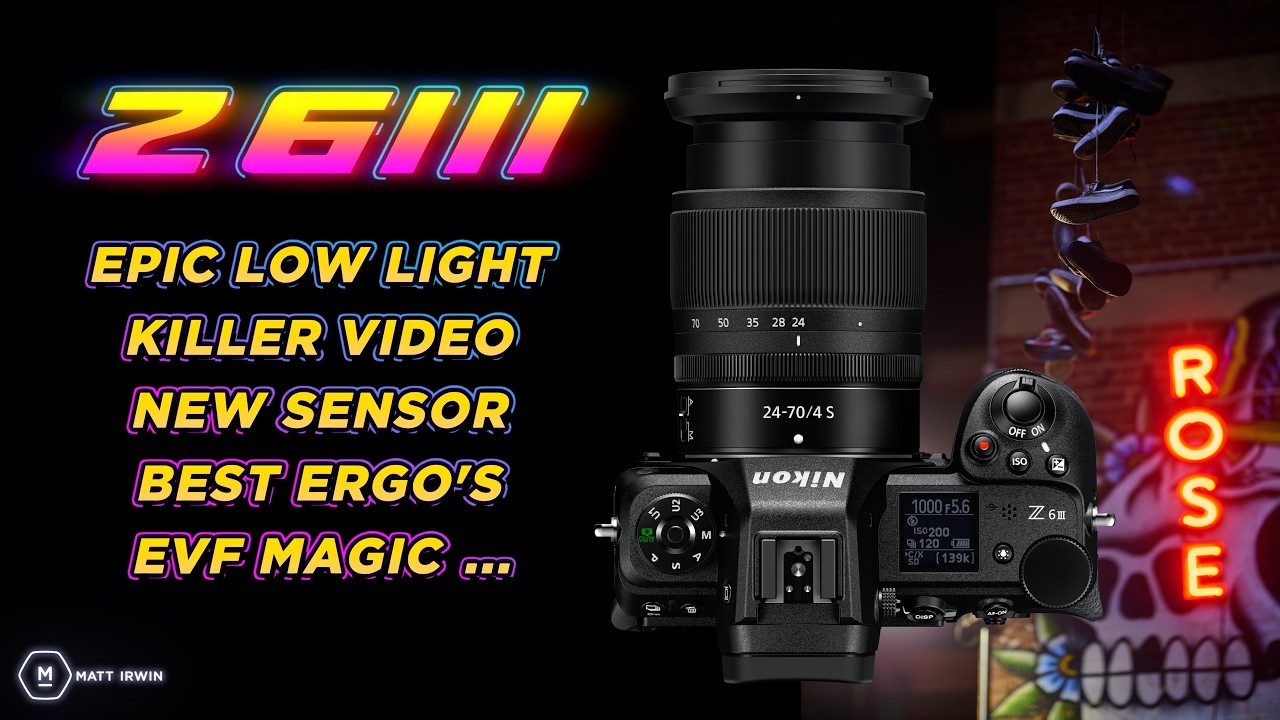
Night Stills & Video

- Low-light performance Excellent
- Shutter noise Silent
- Subject tracking AI Eye/Face
- Battery (continuous) Needs spares
- Concealment Lens-dependent
The right question isn't which camera — it's what your case demands.
The experienced approach is not to replace your camcorder rig. It's to know which tool each assignment calls for. Daytime mobile surveillance with unpredictable subject movement: camcorder, optical zoom, continuous video. Low-light stationary work where you need identifiable images of a face, a vehicle, or specific activity: full-frame mirrorless with a fast prime or short telephoto.
The field is evolving. The public is more surveillance-aware than ever. The cases where footage quality makes or breaks the outcome are increasing — not decreasing. That's the adaptation. Not a gear obsession. A recognition that the job has changed and the toolkit has to keep up.